|  |
|
|
Products : Fly Ash / Pozzolanic Materials |
|
|
|
|
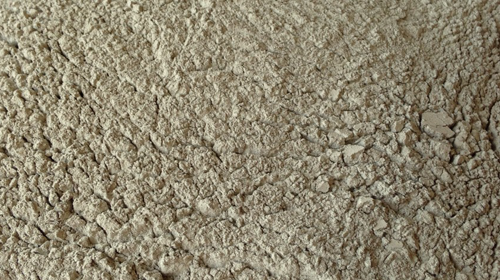
Fly ash is defined in Cement and Concrete Terminology (ACI Committee 116) as: “the finely divided residue resulting from the combustion of ground or powdered coal, which is transported from the firebox through the boiler by flue gases.” It is a by-product of coal-fired electric generating plants.
Fly ash offers the market two major advantages:
1. Environmental Advantages: by diverting the material from the waste stream, reducing the energy investment in processing virgin materials, conserving virgin materials, and allaying pollution; and,
|
2. Performance Advantages: Fly Ash improves the performance and quality of concrete: improved workability, reduced water demand, reduced segregation/ bleeding, lower heat of hydration, increases strength, reduced permeability, reduced corrosion of reinforcing steel, increased sulphate resistance, and reduced alkali-aggregate reaction
|
|
General properties of fly ash vary from each plant according to the coal source/ type and the several key production factors/ systems.
Coal Types:
There are generally 4 types of coal: Anthracite, Bituminous, Sub-Bituminous, and Lignite.
|
|
.jpg) |
In general, all four coal types can produce fly ash that can be used in concrete and concrete products. However, the properties of the fly ash
|
change as the coal source changes.
Production Factors:
There are generally three (3) systems for burning of pulverized coal in a power generation. Each system uses a different temperature to burn the pulverized coal.
|
|
|
|
|
|
|
|
|